
Introduction
Dried apricot, in Persian, is a signature product of Iran’s rich agricultural heritage. Known for its sweet, chewy texture and vibrant golden-orange color, Iranian dried apricot is cherished both locally and internationally. Thanks to ideal climate conditions and centuries-old expertise, Iran is a world-leading producer of dried apricots, especially in provinces like East Azerbaijan, Qazvin, and Fars. This detailed guide explores the entire process—starting from cultivation to drying, packaging, and marketing—and shows why Iranian dried apricots stand out on the global stage
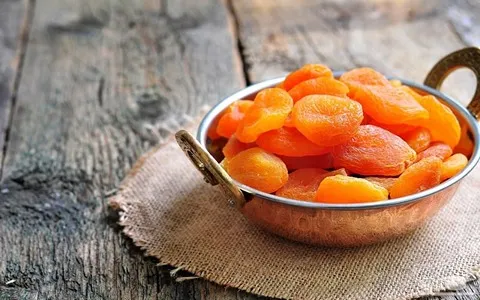
Why Iran Excels in Dried Apricot Production
1. Ideal Climate and Geography
Iran’s dry, sunny summer climate is perfect for sun-drying apricots. Provinces such as East Azerbaijan (notably around Tabriz and Marand), Qazvin, and Fars provide fertile soils and intense, reliable sunlight—conditions that yield high-quality fruit.
2. Traditional Expertise
Many Iranian farmers have inherited generations of knowledge about which apricot varieties dry best, the optimal harvest time, and how to manage drying conditions for peak flavor and texture.
3. Economic Impact
Dried apricot production supports rural economies, provides year-round employment, and contributes significantly to Iran’s agricultural export sector, with key markets in Europe, Russia, and the Middle East.
Step-by-Step: How Dried Apricot Is Made in Iran
Step 1: Cultivation of Apricot Trees
Farmers select varieties such as “Barg-e Sefid” or “Shams” that boast thick flesh and sugar content ideal for drying. Soil is prepared and enriched in early spring, and irrigation is carefully managed throughout flowering and fruit development to ensure juicy, high-quality harvests.
Step 2: Harvesting
Harvesting typically occurs from June to July when apricots are fully ripe but firm enough to avoid damage. Handpicking ensures careful handling of delicate fruit.
Step 3: Sorting and Washing
After harvesting, apricots are graded by size, color, and quality. Damaged, overripe, or undersized fruit are removed. The retained apricots are washed thoroughly to eliminate dust, residues, and debris.
Step 4: Pitting
Apricots are cut in half and pitted before drying. This step reduces drying time and guarantees more uniform dehydration and a tender, consistent texture.
Step 5: Sun‑Drying Process
Halved apricots are placed on elevated drying racks—often wooden frames with mesh bottoms—exposed to direct sunlight for 3 to 7 days depending on weather. Farmers turn the fruit regularly to prevent sticking and ensure even drying. Iran’s low humidity reduces risks of mold or spoilage during this natural process.
Step 6: Quality Control and Packaging
Once dried to an optimal moisture level (roughly 15–20%), apricots are inspected and sorted again. The best specimens—those with vibrant golden color, pliable texture, and uniform size—are packaged. Most producers use moisture-resistant bags and employ vacuum sealing or nitrogen flushing for extended shelf life during export.
Nutritional Benefits of Iranian Dried Apricot
Iranian dried apricots are rich in essential nutrients:
-
Dietary Fiber: Promotes digestive health and helps manage blood sugar.
-
Vitamins & Antioxidants: High in beta‑carotene and vitamin A, supporting eye health and immune function.
-
Potassium: Important for cardiovascular function and muscle health.
-
Natural Sugars and Energy: Offers a clean, preservative-free energy boost.
Since they are sun-dried without artificial additives, these dried apricots are a healthy snack choice for all ages.
Challenges in Iranian Dried Apricot Production
Despite its success, the industry faces several challenges:
-
Unpredictable Weather: Adverse climate can delay harvest or slow drying.
-
Water Scarcity: Drought conditions limit irrigation efficiency.
-
Labor-Intensive Methods: Manual sun‑drying demands a lot of labor during harvest season.
-
Export Compliance: Meeting international sanitary and phytosanitary standards requires modern infrastructure and certification.
To tackle these issues, many growers and cooperatives are investing in solar drying systems, mechanized sorting, and improved packaging facilities—combining modern efficiency with traditional quality.
Innovations and Future Trends
The future of Iranian dried apricot production is dynamic:
-
New Varieties: Research is ongoing to develop apricot strains with greater yield, disease resistance, and ideal sugar-to-moisture ratio for drying.
-
Modern Drying Technologies: Controlled solar dryers help reduce drying time and improve hygiene without sacrificing flavor.
-
Organic Certification: Rising global demand for organic dried fruits is encouraging more producers to adopt organic farming methods and certification.
-
Branding & Export Growth: Efforts to build stronger international brands and establish export partnerships are increasing Iran’s presence in global retail
Tips for Buying Authentic Iranian Dried Apricot
If you’re looking for genuine Iranian dried apricots:
-
Check Origin Labeling: Reputable products specify regions like East Azerbaijan or Qazvin.
-
Evaluate Color & Texture: Authentic products should appear golden-orange, soft but firm. Avoid overly dark, shriveled, or overly artificial-looking items.
-
Buy from Trusted Sellers: Opt for certified export brands, reputable vendors, or specialty Iranian stores.
-
Seek Organic Options: If health is a priority, look for certified organic labels to ensure no pesticide residues or additive
-