
Apricot leaf
Apricot Leaf: Global Trade, Health Benefits & Parlan Export Production
Apricot leaf is a highly demanded dried fruit in the international food industry, widely recognized for its natural sweetness, nutritional value, and long shelf life. The growing global interest in healthy eating has significantly increased the demand for apricot leaf, making it an important agricultural export product. Today, apricot leaf is used in retail markets, food manufacturing, and gourmet cuisine, strengthening its position in global trade.
What Is Apricot Leaf?
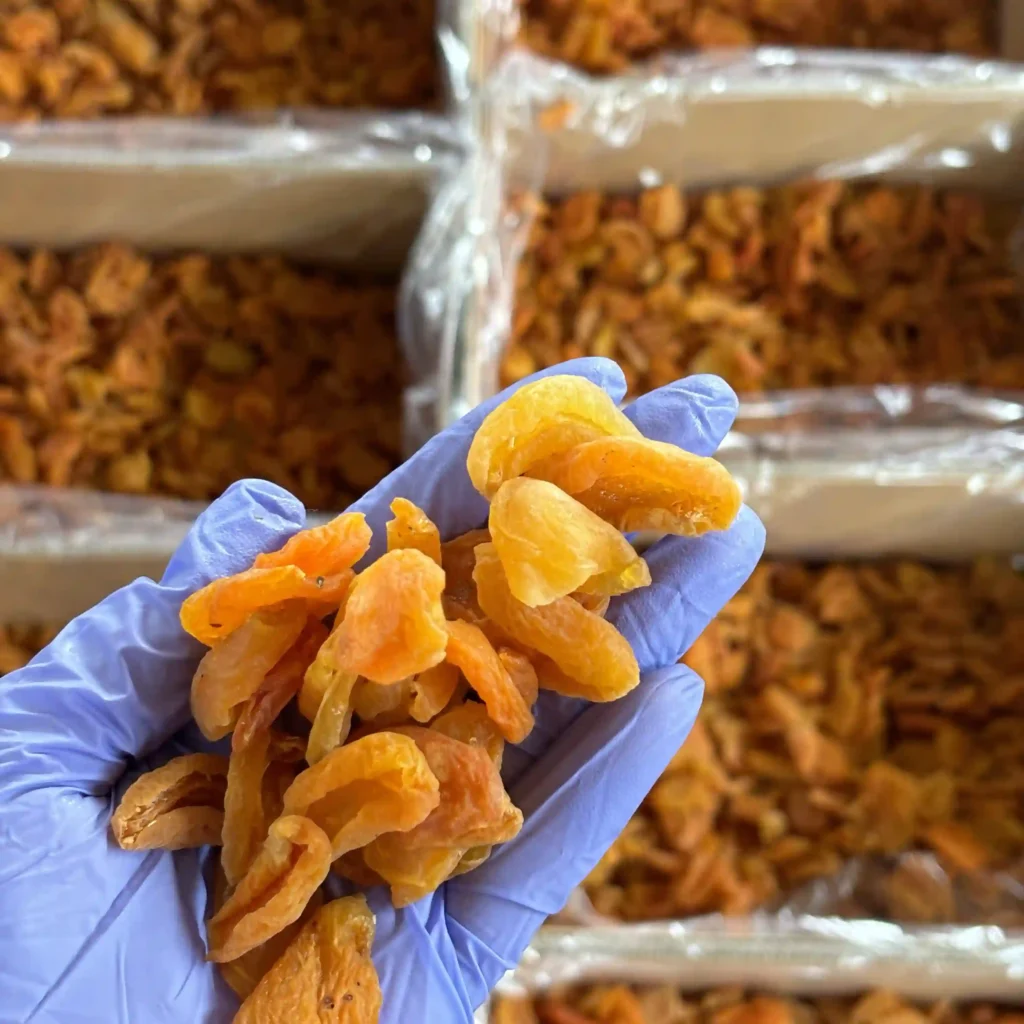
Apricot leaf is produced by removing moisture from fresh apricots through natural sun drying or industrial dehydration. This process preserves essential nutrients while extending shelf life, allowing apricot leaf to be transported and stored for long periods without quality loss. As a result, apricot leaf has become a reliable product in international dried fruit markets.
Nutritional Value and Health Benefits of Apricot Leaf
Apricot leaf contains fiber, potassium, iron, and antioxidants that support overall health. Regular consumption of apricot leaf helps improve digestion, boost energy levels, and support heart health. Because of these benefits, apricot leaf is considered a functional and healthy natural food.
Global Market Demand for Apricot Leaf
The global demand for apricot leaf continues to grow, especially in Europe, North America, the Middle East, and Asia. Consumers prefer apricot leaf due to its natural composition and healthy properties, replacing processed snacks with dried fruits in their diets.
Industrial Applications of Apricot Leaf
Apricot leaf plays an important role in the food industry due to its natural sweetness and flexibility in processing. It is widely used in snacks, bakery products, and gourmet dishes, making apricot leaf a valuable ingredient in modern food production systems.
Apricot Leaf in Snack Industry
Apricot leaf is widely consumed as a healthy snack and is often included in dried fruit mixes and energy packs designed for active lifestyles.
Apricot Leaf in Bakery and Confectionery
Apricot leaf is used in cakes, cookies, pastries, and desserts to enhance flavor and nutritional value.
Apricot Leaf in Gourmet Cooking
Chefs use apricot leaf in salads, sauces, and meat dishes to create a balance of sweet and savory flavors.
Apricot Leaf Production Process in Parlan Factory
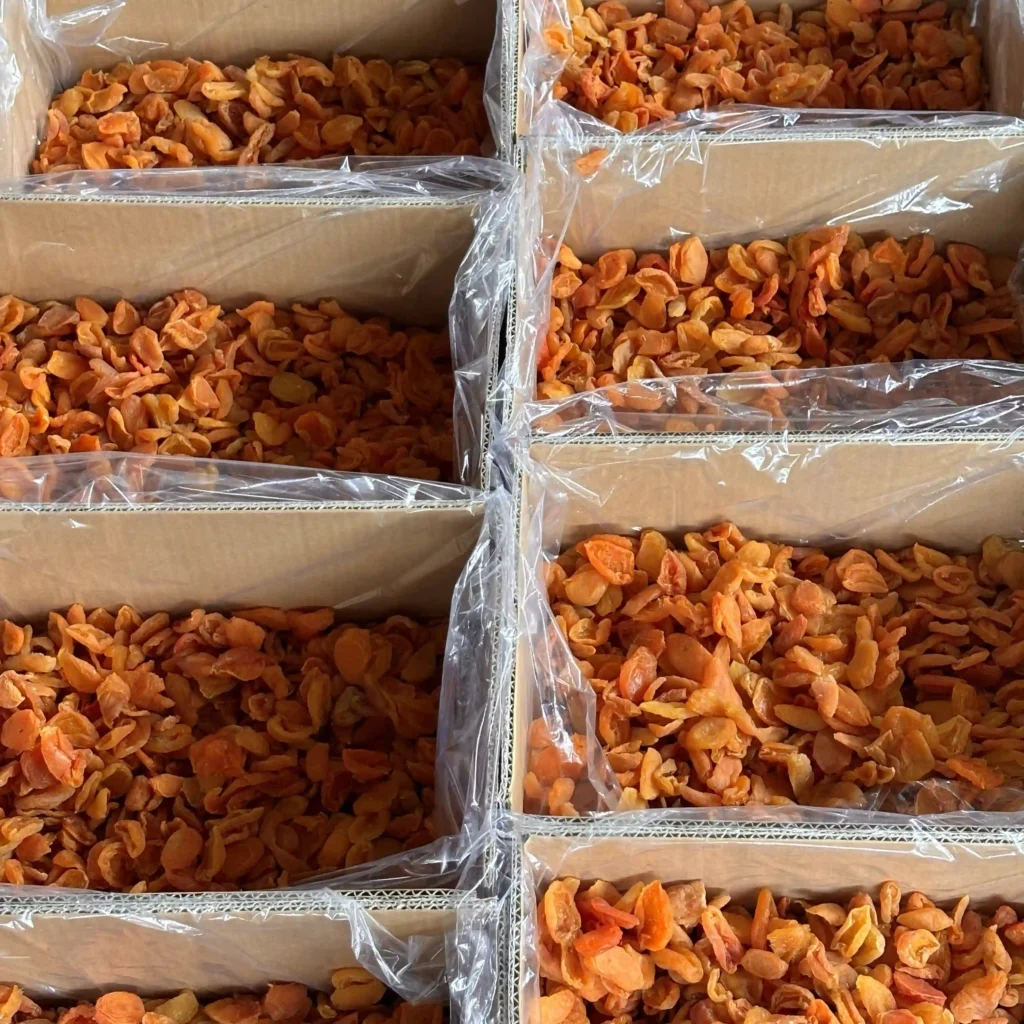
The production of apricot leaf in Parlan begins with selecting high-quality fresh apricots. Only the best fruits are chosen for processing to ensure premium export quality.
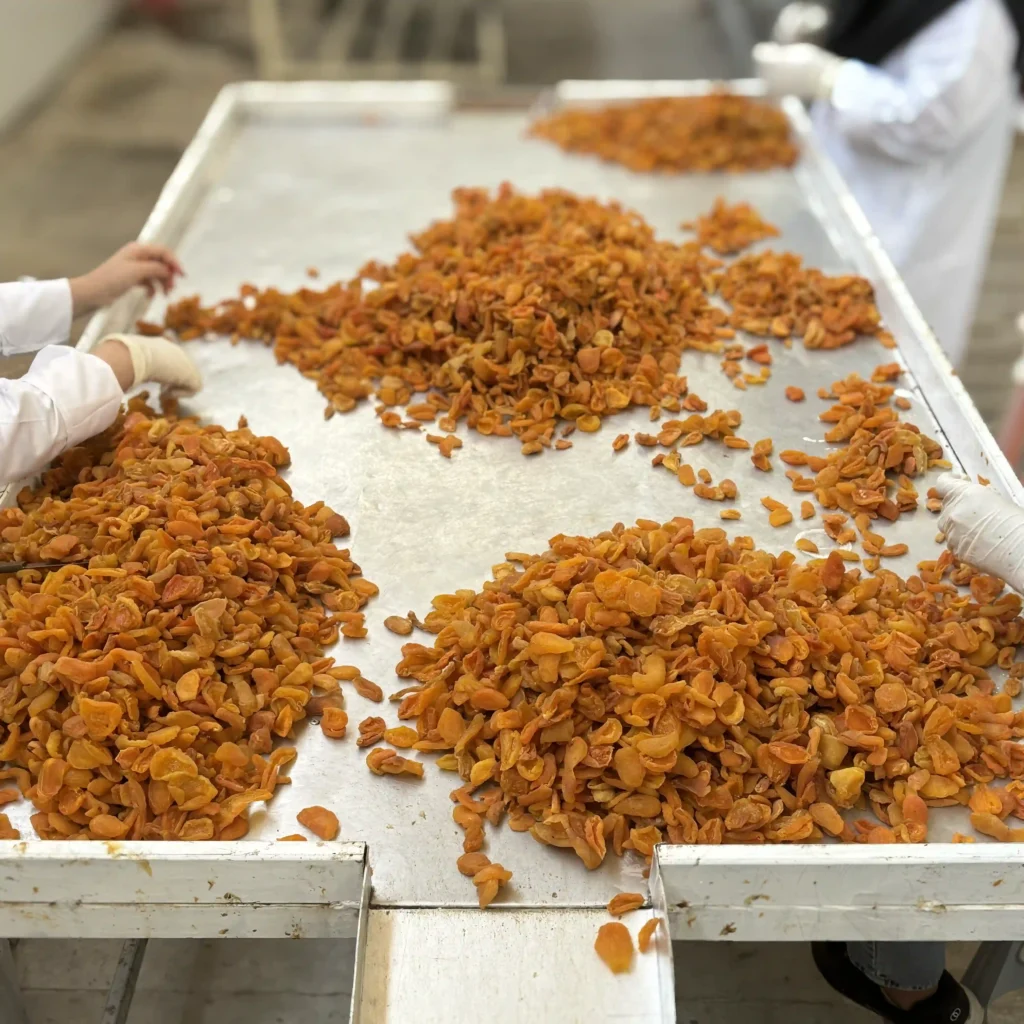
After selection, apricot leaf undergoes washing, sorting, and controlled drying to preserve color, taste, and nutrients.
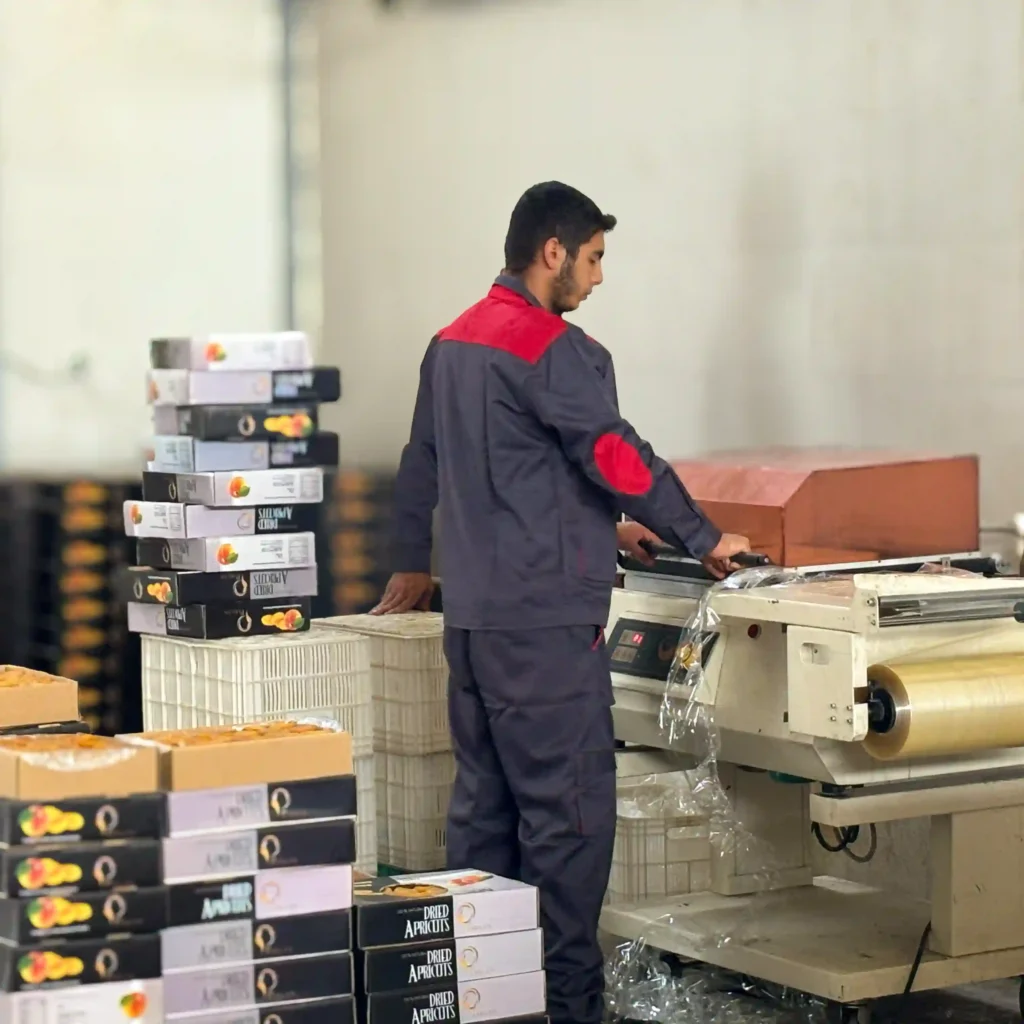
Finally, apricot leaf is packed in hygienic export-grade packaging for international shipping.
Quality Control of Apricot Leaf
Parlan applies strict quality control to ensure every batch of apricot leaf meets international food safety and export standards.
Apricot Leaf Production Process in Parlan Factory
The production of apricot leaf in Parlan begins with selecting high-quality fresh apricots. Only the best fruits are chosen for processing to ensure premium export quality.
After selection, apricot leaf undergoes washing, sorting, and controlled drying to preserve color, taste, and nutrients.
Finally, apricot leaf is packed in hygienic export-grade packaging for international shipping.
Quality Control of Apricot Leaf
Parlan applies strict quality control to ensure every batch of apricot leaf meets international food safety and export standards.
Global Trade Importance of Apricot Leaf
Apricot leaf continues to grow in global importance due to its health benefits, versatility, and strong demand in international markets. With companies like Parlan, apricot leaf production meets high-quality export standards and supports global food supply chains.